Prototypes
2026 · solo projects in Unreal Engine 5
Personal prototypes, each built to answer one design question fast.
Every project has a design house (pillars), a decision log and a tuning register, and every one was played, measured and changed because of what players did. How I build: since 2026 I prototype with an AI implementation partner, Claude Code driving Unreal through an editor bridge. I own the design: the pillars, every decision, the tuning, the playtests and the final feel call.
| How every prototype is run
1. Design house first
Three or four pillars and the test every feature has to pass, written before anything is built.
2. Decision log and tuning register
Every design decision is logged with its reason and what it replaced. Every tuning value lives in data, never buried in a graph.
3. Play, measure, change
Players write the brief. Simulations, AI-vs-AI sweeps and frame budgets back up what they tell me.
| The projects
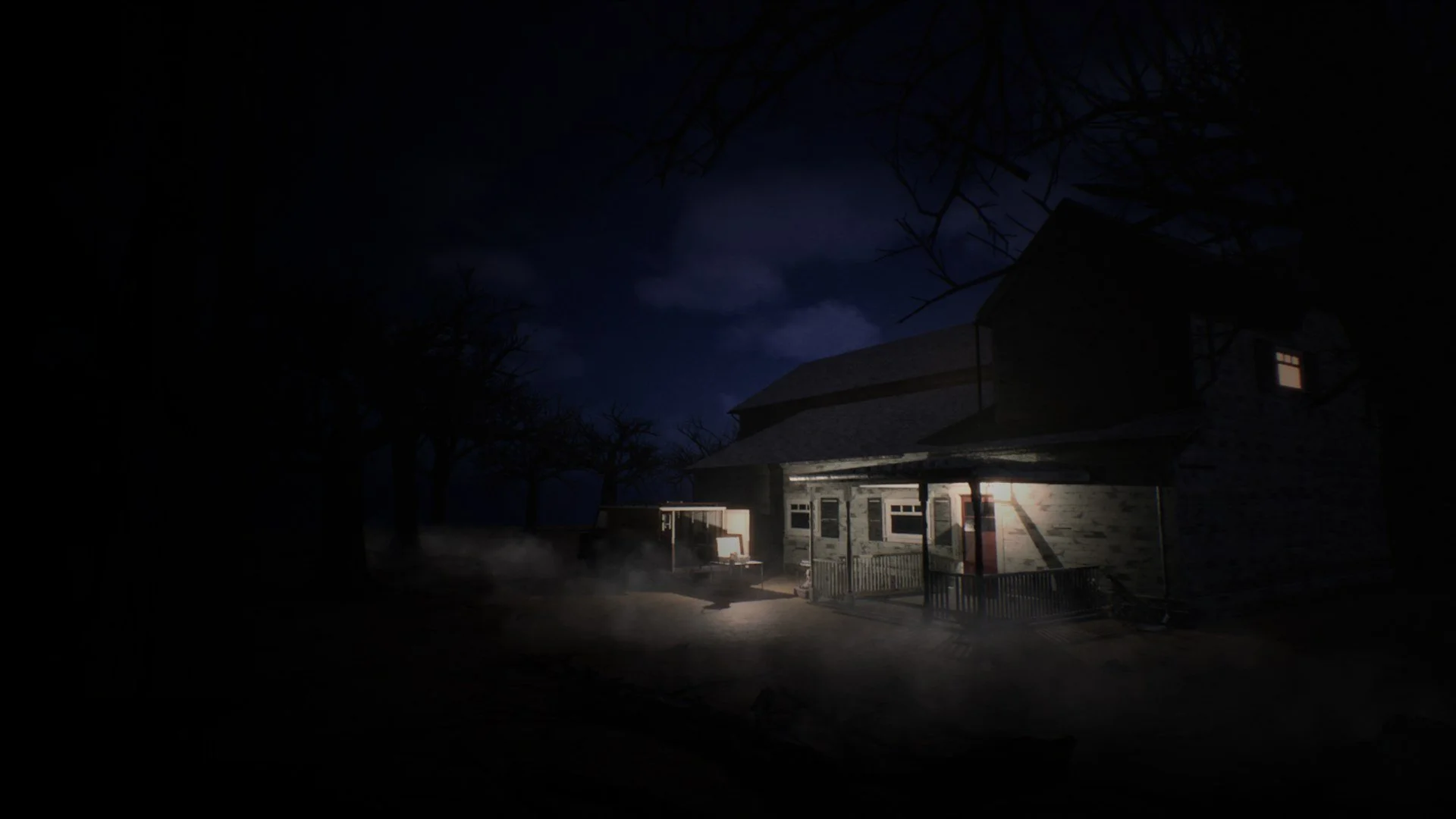
Haunting
1-vs-4 asymmetric horror where the ghost is only vulnerable while it’s scaring you. Balanced with a ~90,000-match simulation.
SYSTEMS · MULTIPLAYER · BALANCE
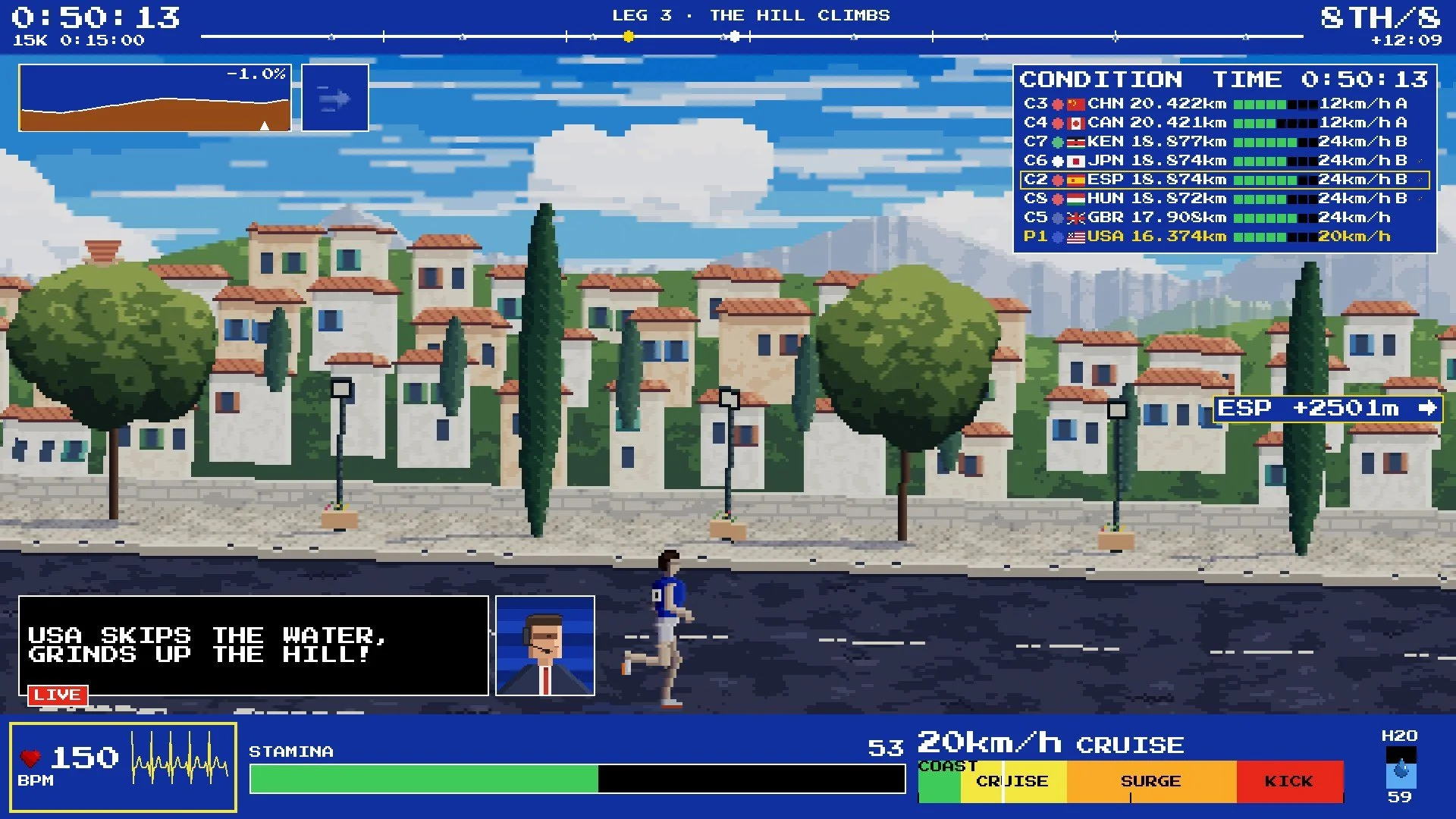
The 42K
A 1992 button-masher rebuilt as a marathon strategy sim, with a live LLM race announcer behind guardrails.
SYSTEMS · SIMULATION · AI
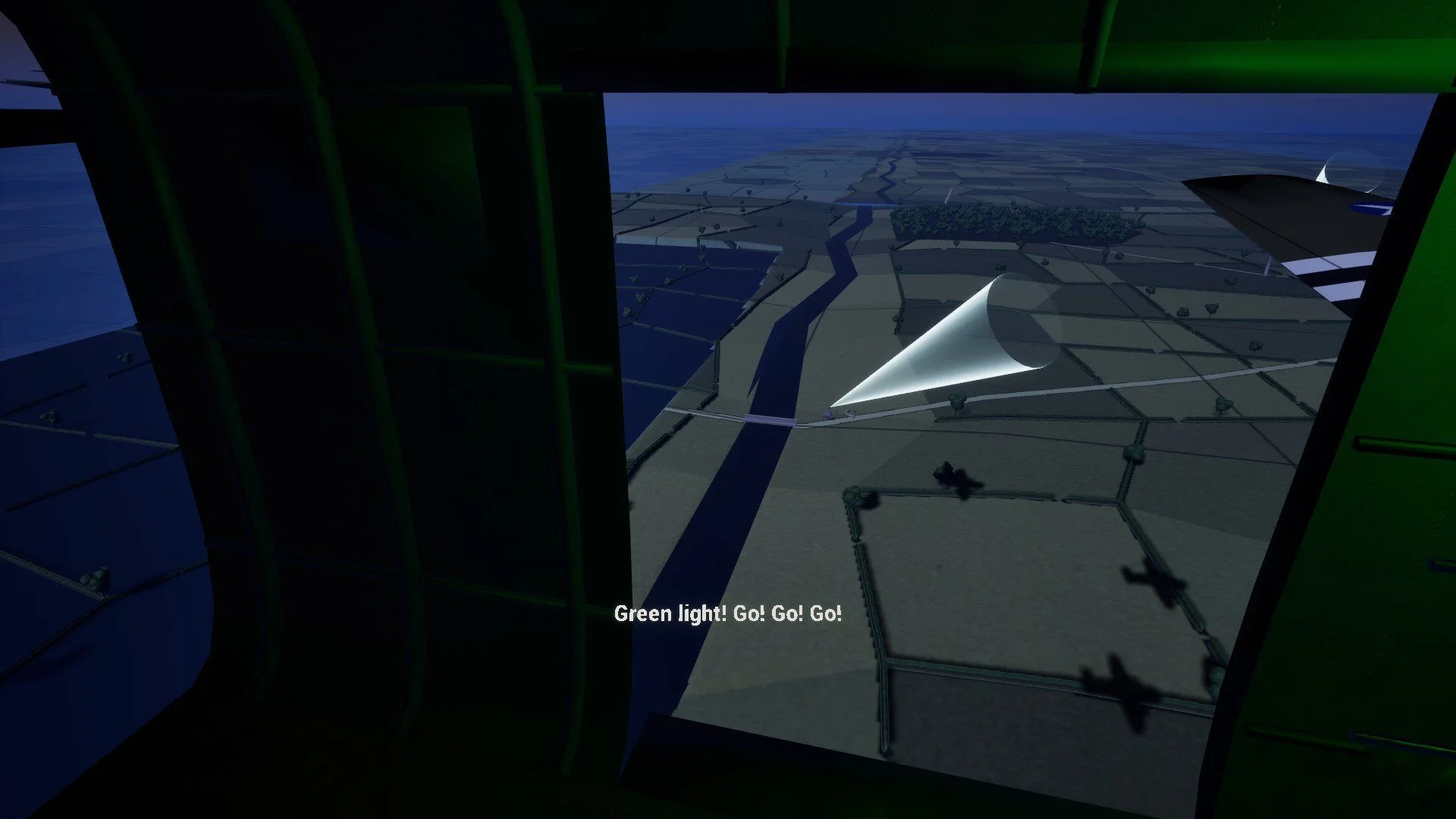
Airbourne (VR)
WWII night-drop VR on Quest 2. No HUD, and enemies with alert stages that search and flank.
COMBAT AI · VR
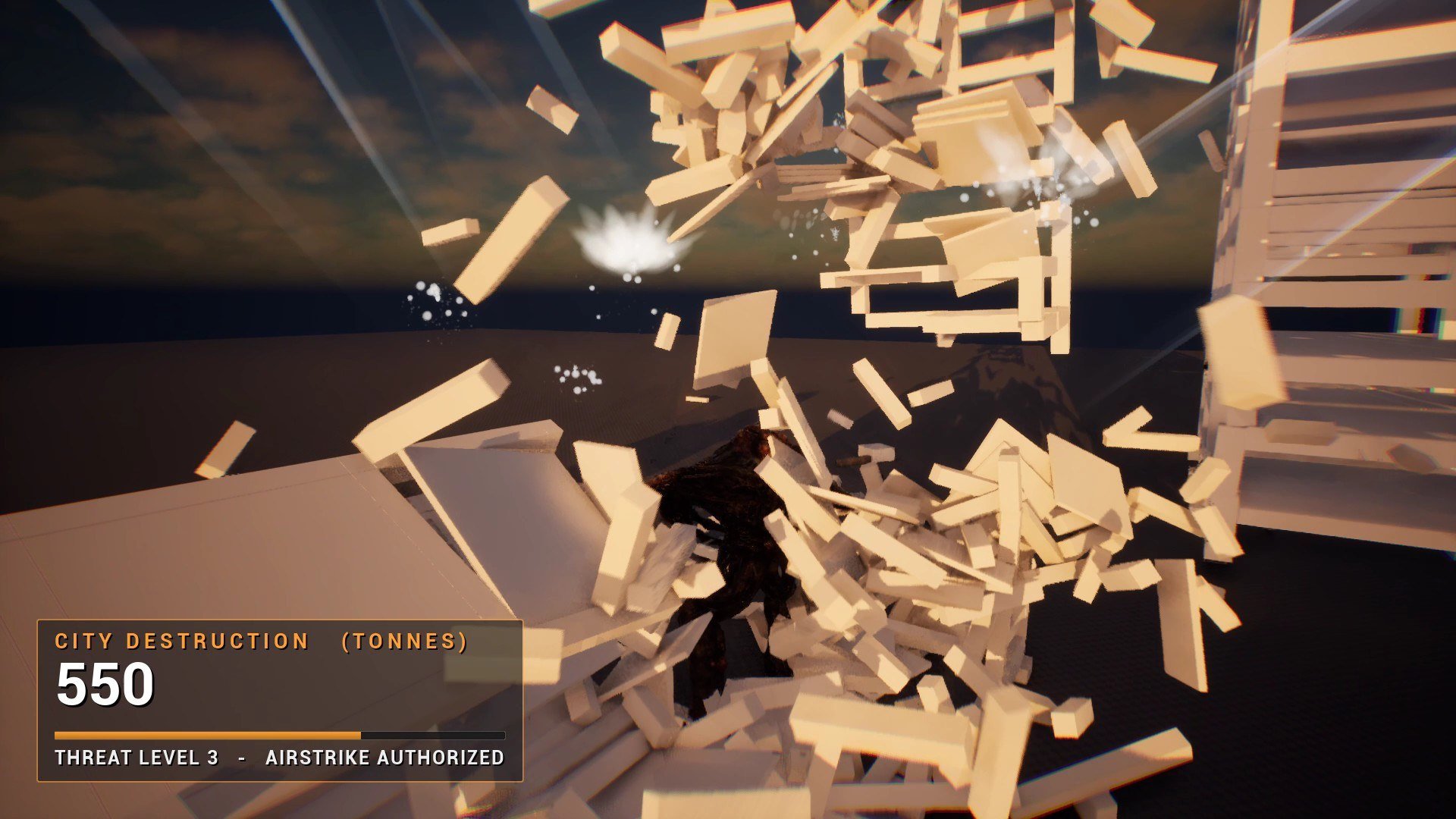
Kaiju
Walk and you’re harmless; sprint and the city comes down beam by beam, and every tonne brings a bigger army.
DESTRUCTION · ESCALATION
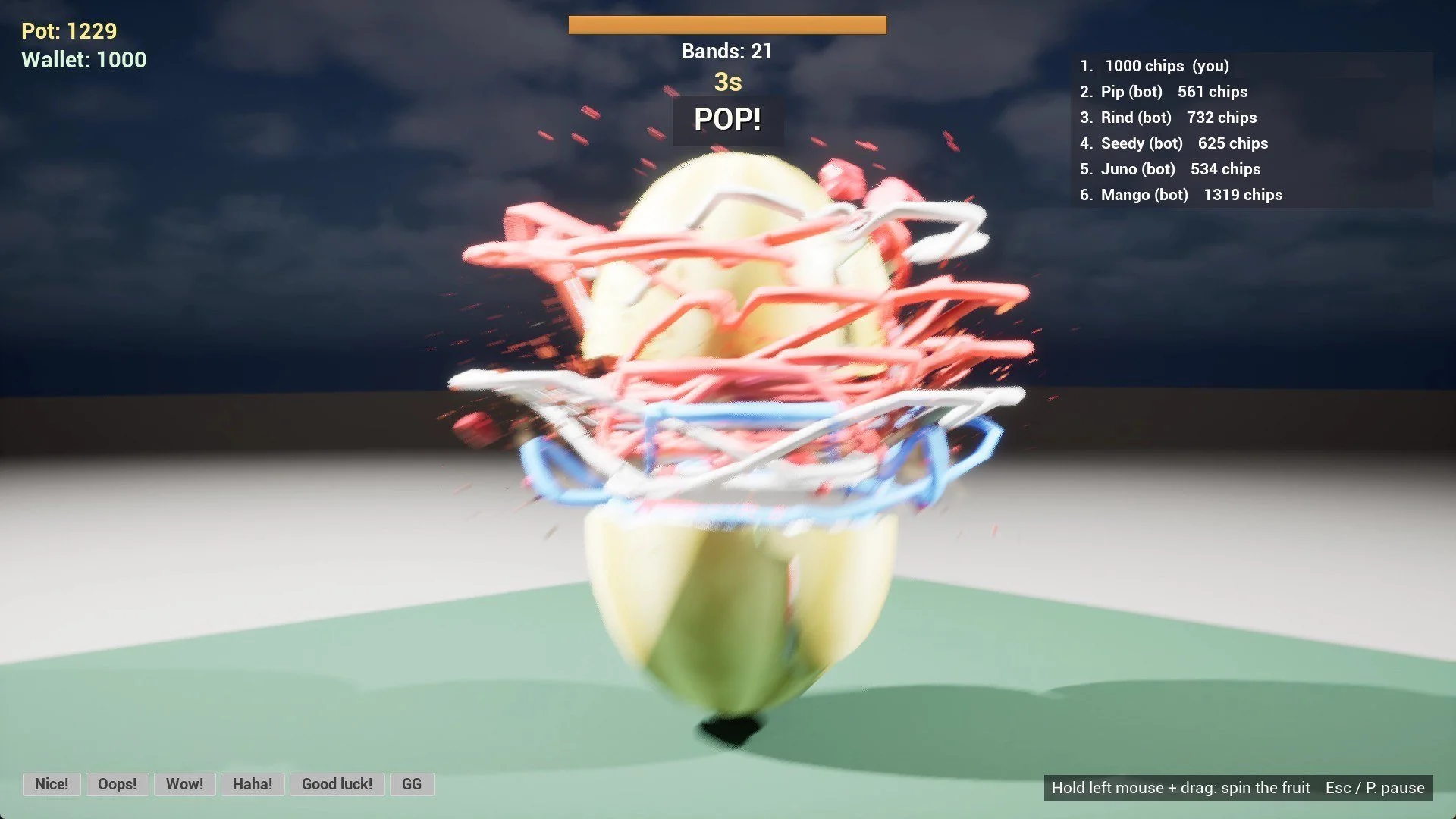
RubberSnap
A 2–8 player online party game: snap bands on a melon, bet on which band pops it.
PARTY · ECONOMY · ONLINE
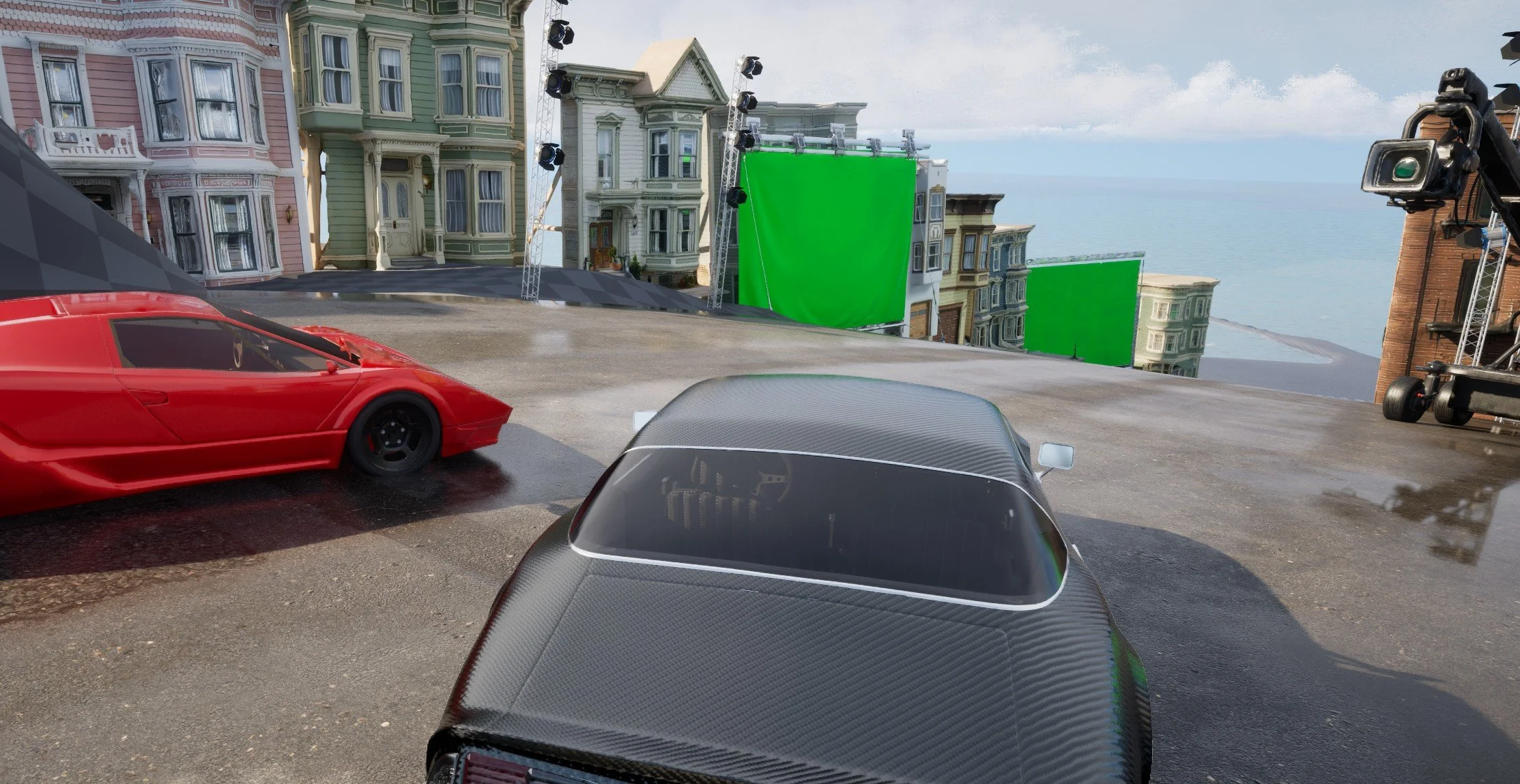
Backlot Stunt Driver
A driving game where you film takes instead of racing laps, with a physics-driven camera that shoots the movie.
VEHICLE PHYSICS · CAMERA