Stunt Driver Project
Design House :
Backlot stunt driver
X-Statement
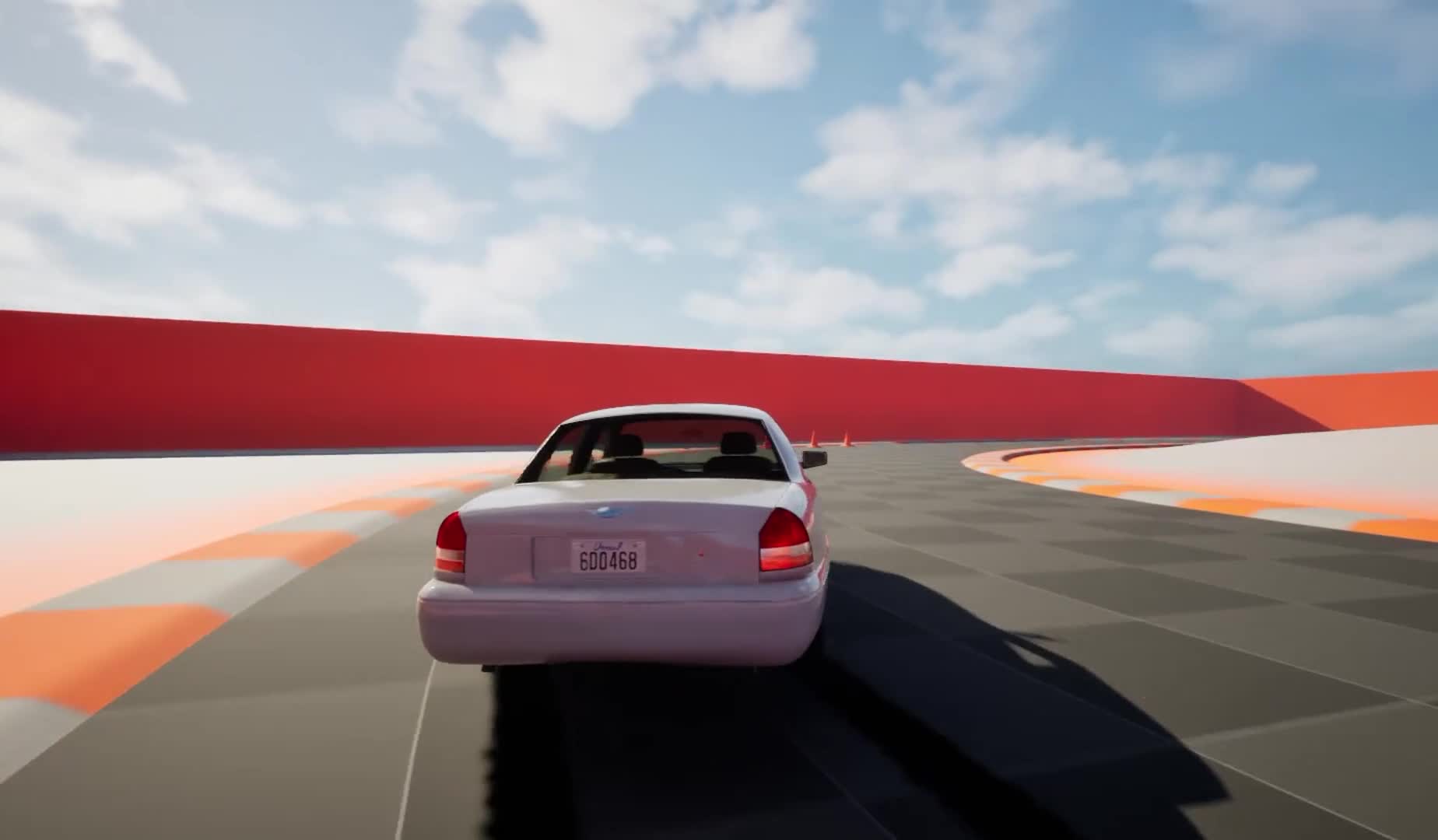
A systems-driven Hollywood stunt sandbox engineered in Unreal Engine 5. Built to shift the racing genre away from lap times and entirely toward high-fidelity chassis drama and director choreography.
| This pitch: A "design house” philosophy
For a game like Backlot Stunt Driver, development must move beyond standard driving game paradigms where success is solely determined by crossing a finish line first. Instead, this project functions as a Hollywood action generator.
The “Design House” serves as a the core architectural framework; an unbreakable set of design pillars, mechanical rules, and experiential goals that every asset, line of code, camera angle, and audio cue must rigorously serve. If a feature does not actively make the player feel like a legendary Hollywood stunt driver pulling off an impossible, white-knuckle shot, it is fundamentally out of scope.
| 2. The Architectural framework
STUNT FLOW
Chaining physics mechanics and dynamic stunts seamlessly together to achieve maximum director approval rating.
CHASSIS DRAMA
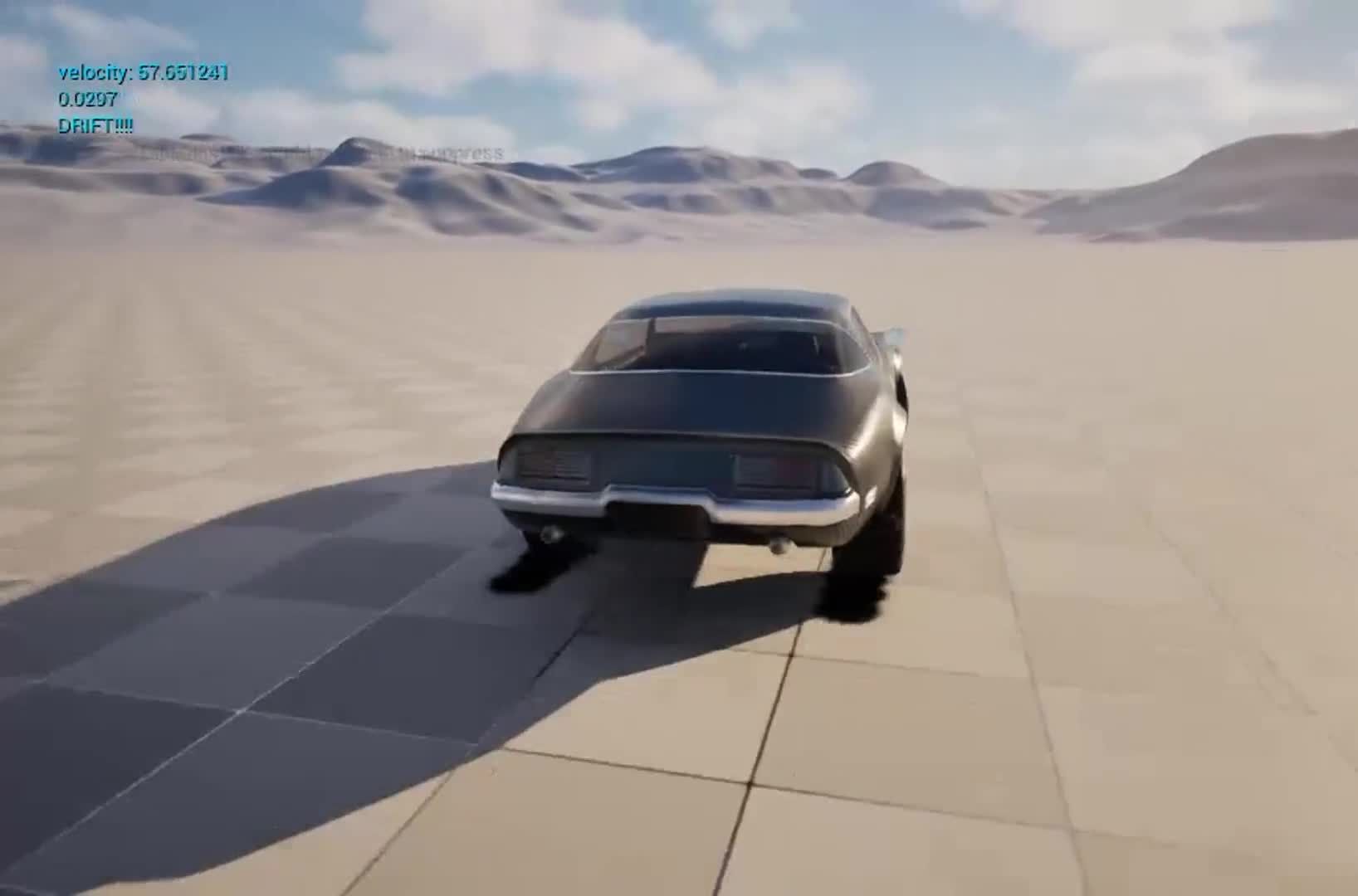
Exaggerating body roll, dramatic weight distribution, suspension load, and progressive tire slip thresholds.
CRASH ADVOCACY
high stakes, completely destructive, cinematic fail states designed to look spectacular even when losing.
| 4. GROUND RULES FOR VEHICLE SANDBOX DESIGN
To ensure the integrity of the design house remains structurally stable across all development tiers, every vehicle asset and secondary gameplay mechanic must pass three foundational rules:
Rule #1: Predictable Breaking Points
Tires must never instantly or unexpectedly snap-lose grip. There must be a highly distinct, tactile transition phase where the player can feel the tires scrubbing, singing, and progressively breaking traction, allowing them to confidently ride the razor’s edge of a slide.
Rule #2: Environment as a Prop
The game world is never constructed from static, immutable geometry. Fences, trash infrastructure, construction barriers, and breakaway structural supports exist explicitly to explode into chaotic physics debris upon impact, violently amplifying the perceived velocity of the sequence.
Rule #3: The “Near-Miss” Economy
Systematically reward players for operating dangerously close to complete mechanical failure. Scraping body paint along a concrete guardrail or threading the needle through oncoming civilian cross-traffic instantly supercharges the scoring multi-tier and triggers aesthetic sweeteners like spark showers and rapid camera zooms.
| 1. the core pillars (the foundation)
Director’s Intent
“Speed is nothing without style. The player’s objective isn’t to finish a track in 90 seconds; it is to hit their marks perfectly.”
Visceral, Heavy Weight-Transfer
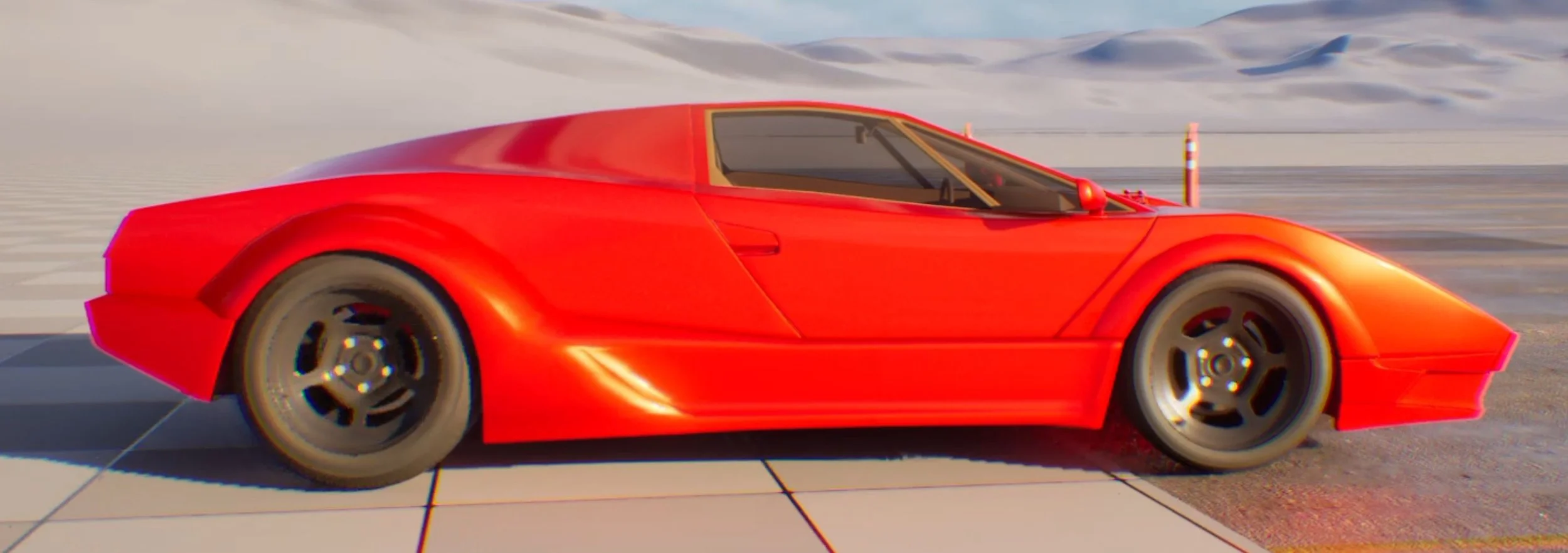
“Cars must feel like 4,000 pound piece of Detroit iron or finely tuned European racing steel, never like weightless plastic arcade toys.”
The Camera is a Character
“The camera doesn’t simply track the vehicle from a rigid static offset; it actively films the movie, translating danger dynamically.”
| 3. The “take” loop (the core gameplay)
1. DIRECTOR’S BRIEF
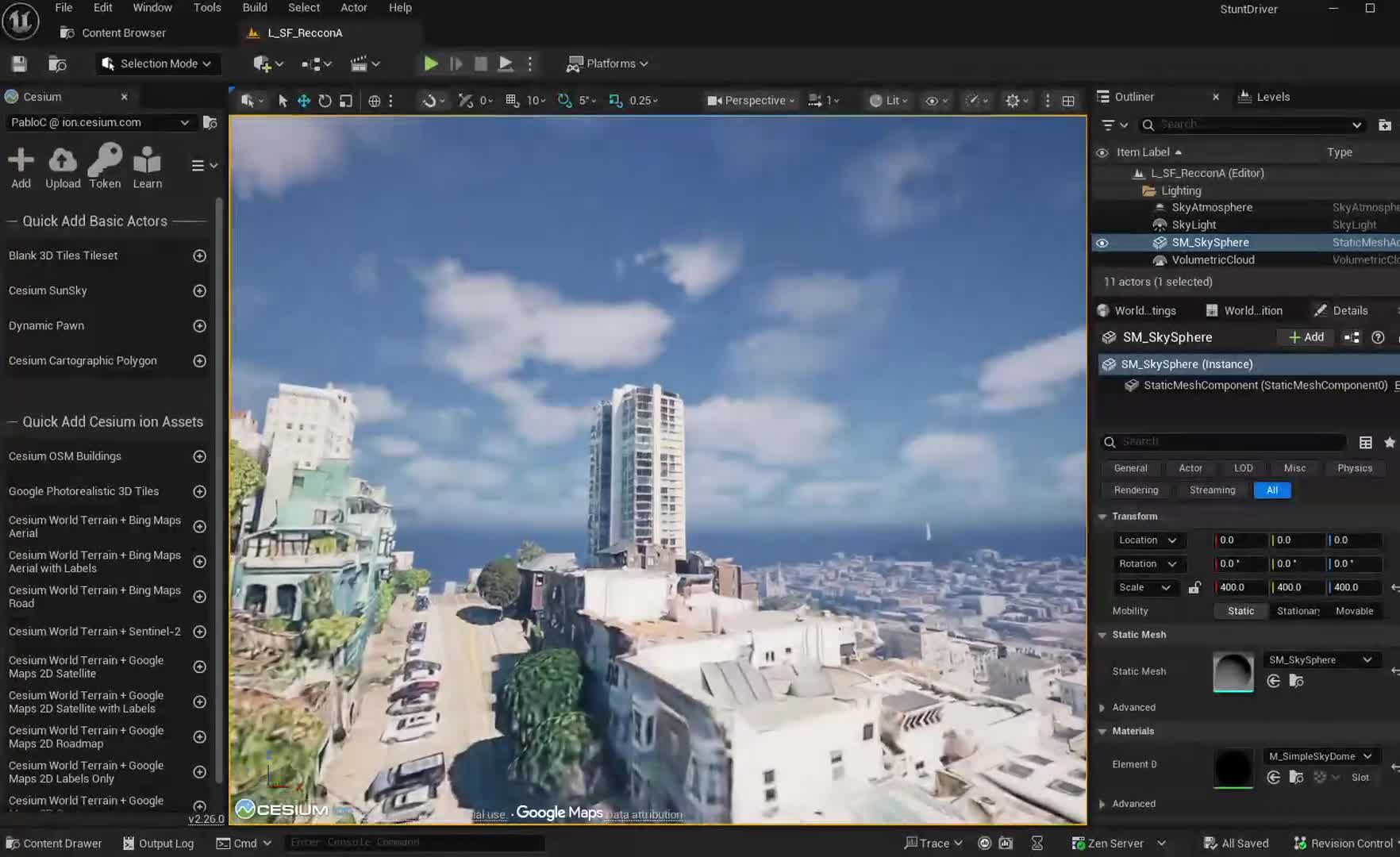
The director outlines script targets: “High speed pursuit, clip the cable car, jump the gap, slide into the warehouse.”
2. EXECUTION PHASE
Live driving simulation. A real-time “Clapper Score” scales as long as high velocity kinetic drama is maintained.
3. THE DAILIES
Immediate playback using algorithmic multi-cam tracking cuts, dynamic editing pacing, and cinematic color profiling.