Lead Game Designer
Creative Direction · Live Service · Rapid Prototyping
I find the fun fast, then build the design house that keeps a whole team building toward it.
10+ years making games for millions of players at Amazon Games and KIXEYE, most recently as Lead Designer and Acting Creative Director at Noctua Interactive. I set a clear creative bar, write the pillars that let a team make decisions without me in the room, and give design, art, audio and narrative feedback they can act on. I’ve adapted licensed film and TV properties, directed external art partners, and grown retention on live F2P games.
| Results, not adjectives
13% → 20%
D1 retention after my New User Experience redesign · War Commander: Rogue Assault (KIXEYE)
10 in 2 days
Playable pitch prototypes for a major enterprise client, every core loop paying off in under 10 seconds · Noctua Interactive
19% → 31%
D3 retention after my boss encounter and AI redesign · Storm Runners (Amazon Games)
2 of 2
Design interns I mentored on DreamWalkers, both hired full-time
| How I work
1. Build the design house
Before anything gets built I write the house rules: 3–4 pillars, the player fantasy, and the test every feature has to pass. If it doesn’t serve the pillars, it’s out of scope.
2. Find the fun
I get the core loop playable in days, not sprints, and put it in front of players. Their confusion is the brief. I change one thing at a time and keep every tuning value in data, never buried in a graph.
3. Prove it, then pitch it
Retention curves, balance simulations, frame budgets, a ten-second payoff on a stopwatch. I bring evidence to the greenlight meeting, not adjectives.
| Featured work
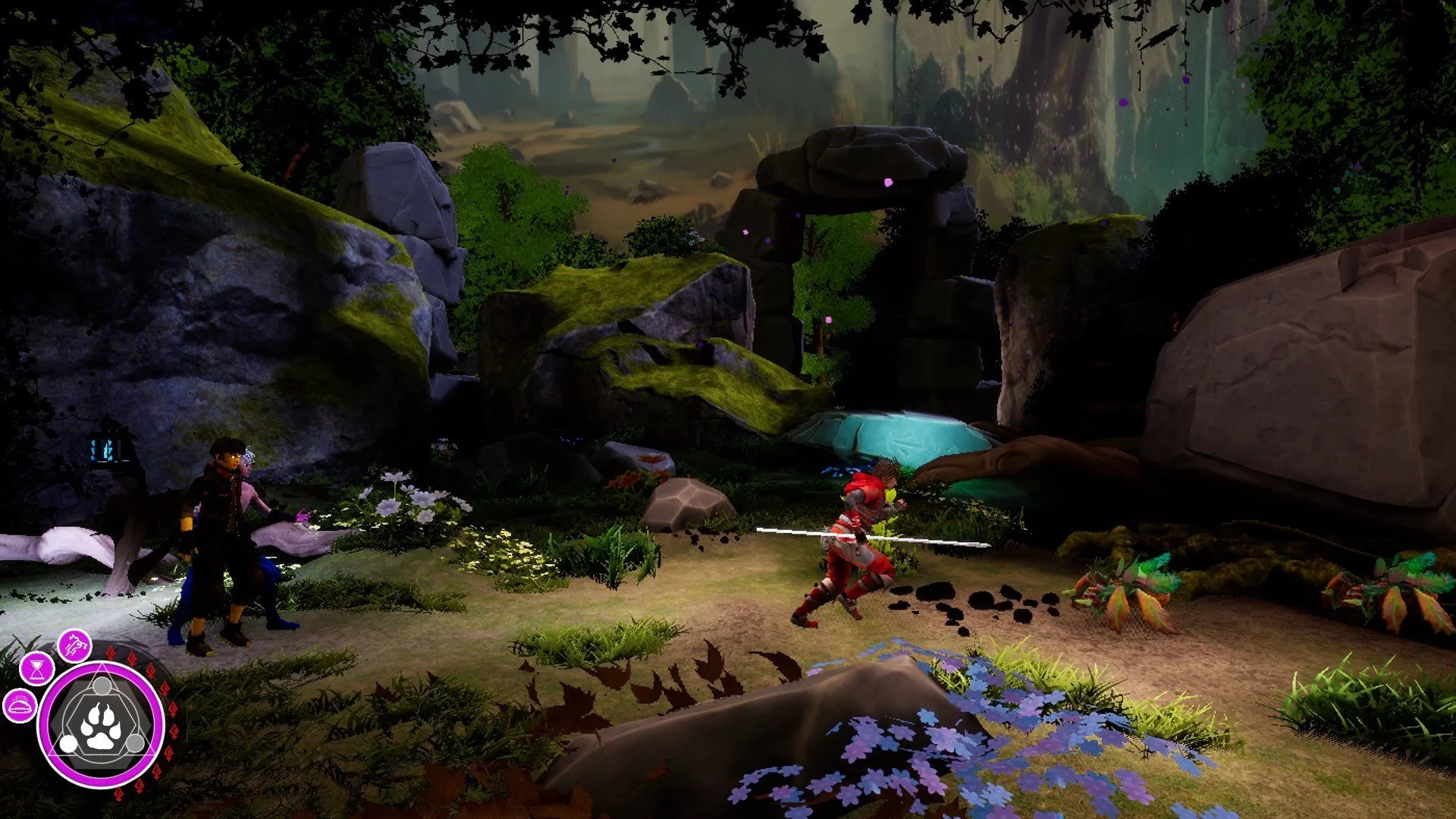
DreamWalkers
Noctua’s flagship: I owned all the design. Three asymmetric heroes, one combat system.
LEAD DESIGN · COMBAT · NOCTUA INTERACTIVE
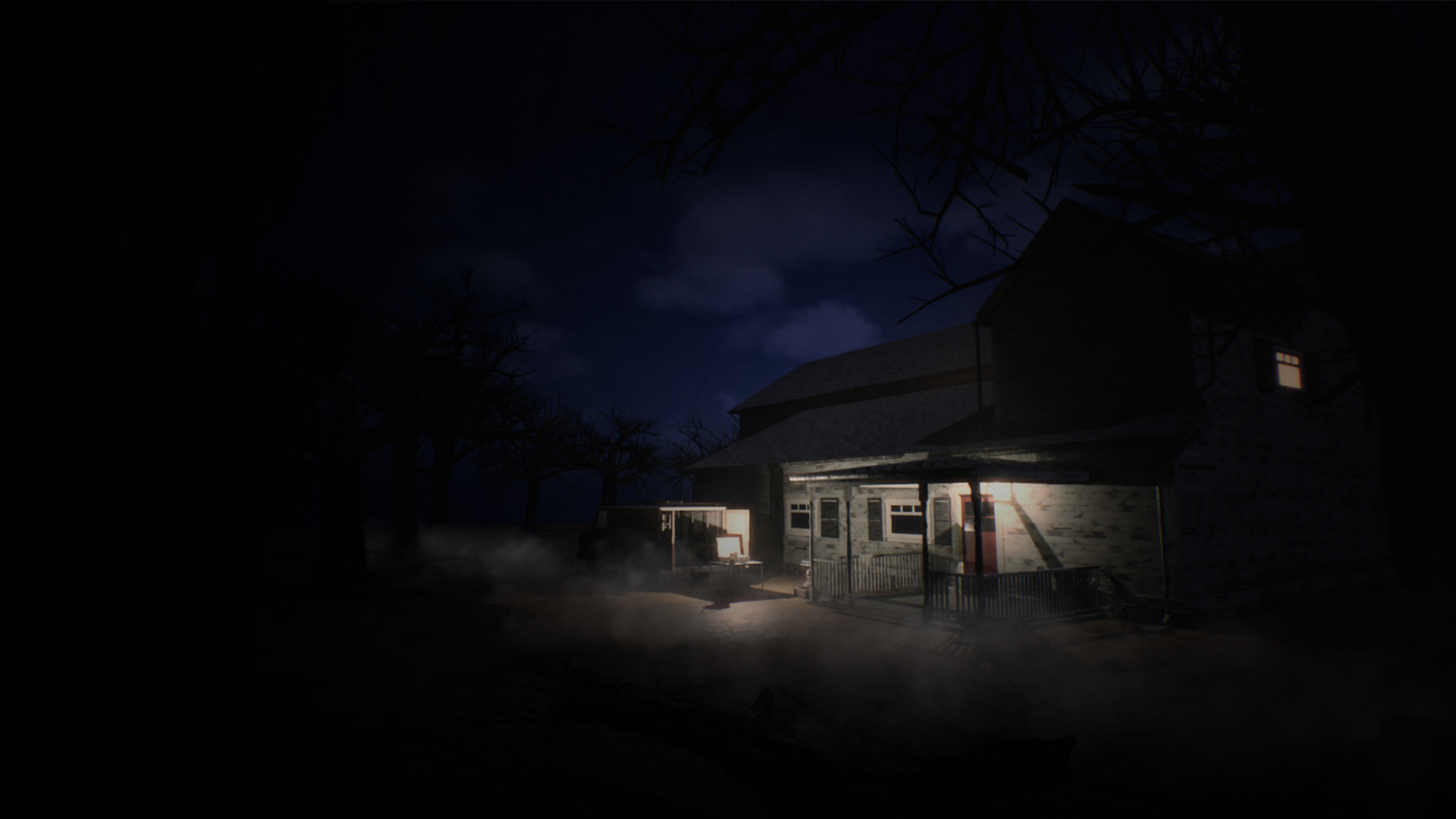
Haunting
1-vs-4 asymmetric horror where the ghost is only vulnerable while it’s scaring you. Balanced with a ~90,000-match simulation: from 65/27/9% ghost wins to roughly a coin flip at every group size.
SYSTEMS · MULTIPLAYER · BALANCE · SOLO PROJECT
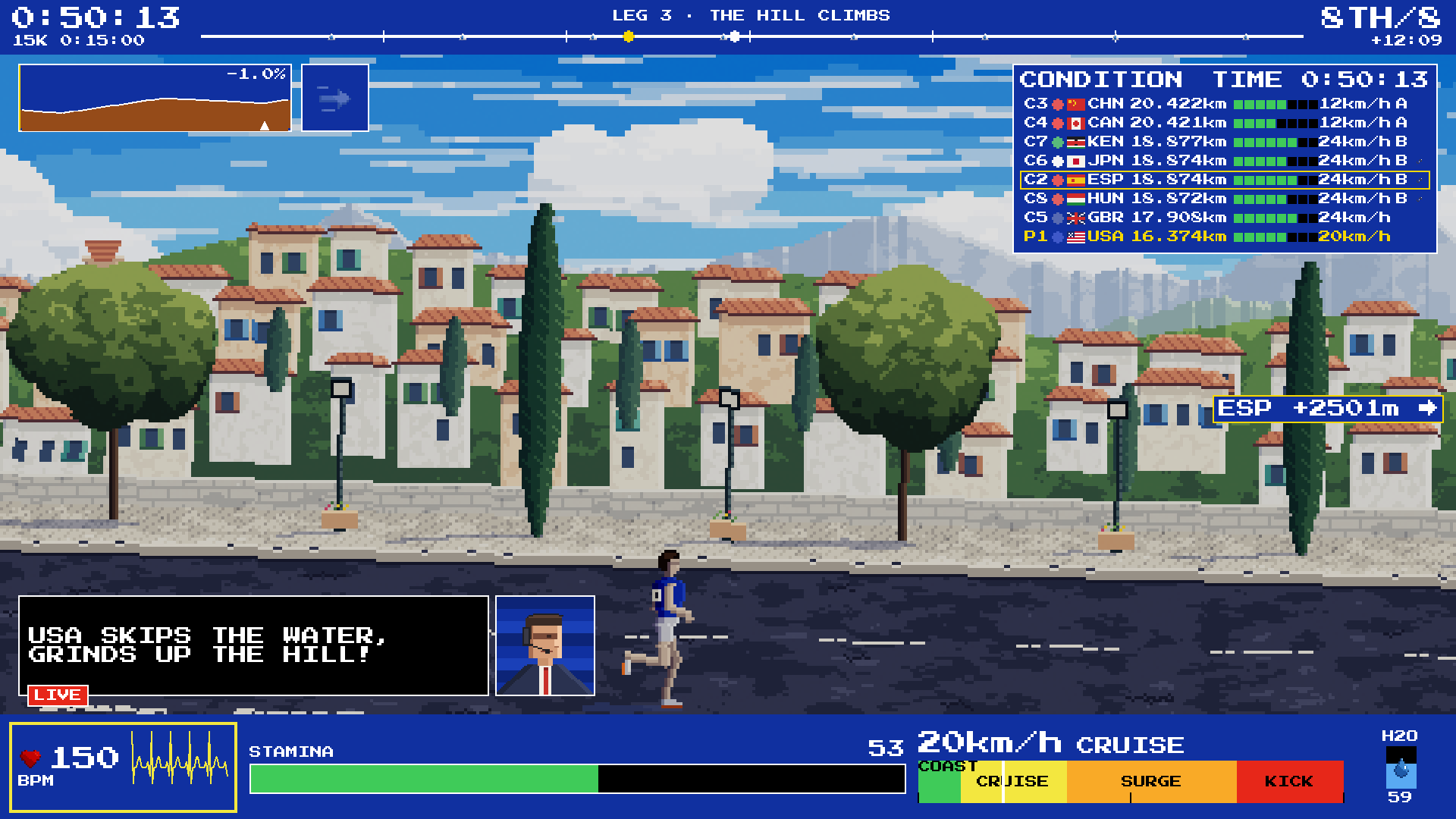
The 42K
A 1992 button-masher rebuilt as a strategy sim: you manage a body over 42.195 km. A deterministic race model, AI-vs-AI difficulty sweeps, and a live LLM race announcer with guardrails.
SYSTEMS · SIMULATION · AI · SOLO PROJECT
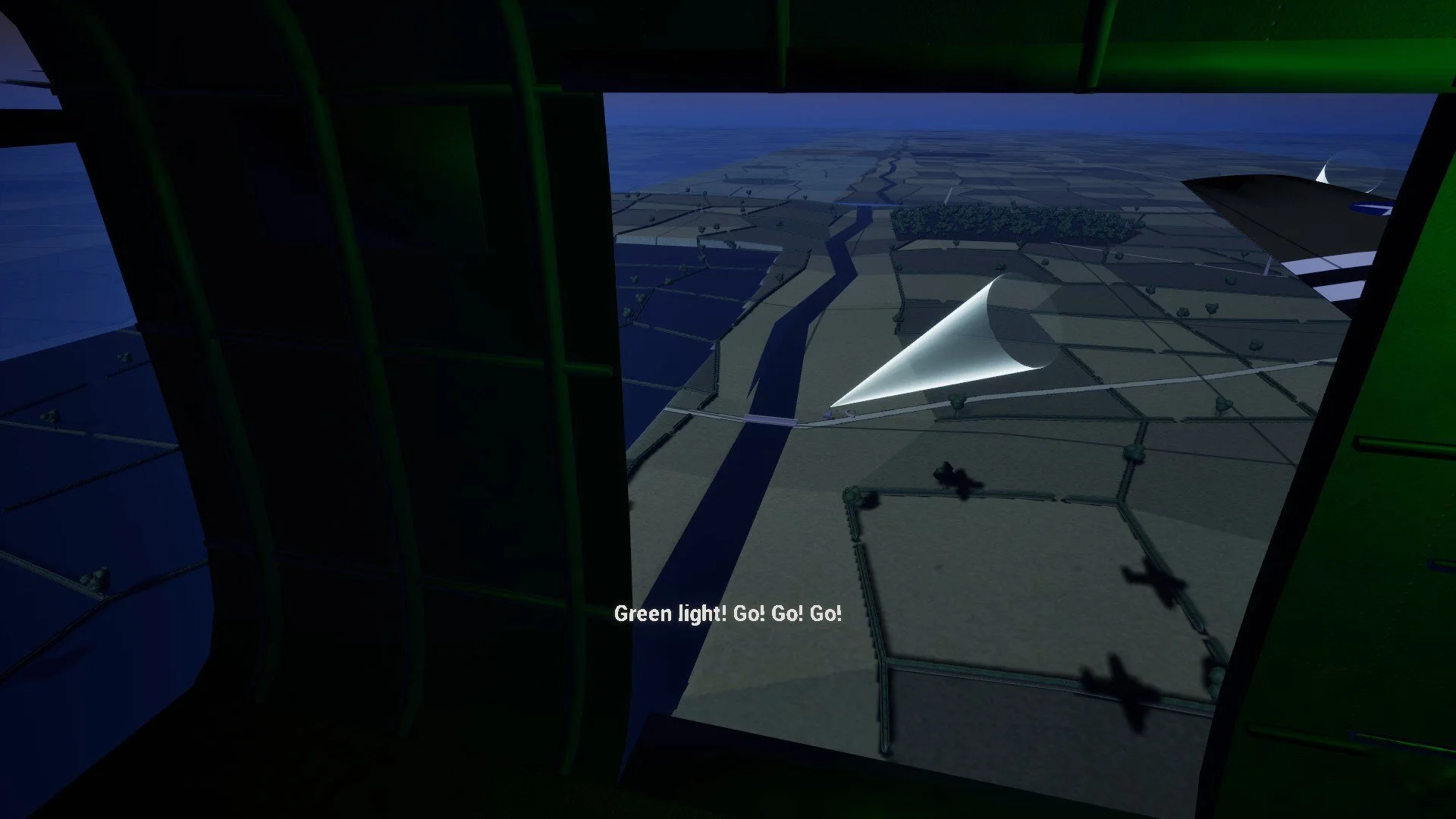
Airbourne (VR)
WWII night-drop VR on Quest 2. No HUD: a paper map, a compass and a jumpmaster. Enemies that hear you, search for you and flank you, and every flank is shouted so you can counter it.
COMBAT AI · VR · SOLO PROJECT