Haunting
Asymmetric multiplayer horror · UE 5.8 · 2026
One poltergeist. Two to four investigators. One house. The ghost is only vulnerable while it’s scaring you, so to win, you walk into the scare.
Role: solo designer: pillars, design decisions, tuning, playtests. Built with: UE 5.8 Blueprint, listen-server multiplayer (3–5 players), Claude Code as the implementation partner. Timeline: Oct 3–18, 2026 (15 days, 40 sessions). Status: playtest builds v5–v14, planned for Steam Early Access.
| By the numbers
66
Logged design decisions, each with the reason and what it replaced
~90,000
Simulated AI-vs-AI matches in the balance pass
460
Registered tuning values, every one in data, none buried in a graph
v14
Playtest build reached in 15 days
| The design house
1. Every scare is a risk
The ghost can’t hurt anyone without exposing itself inside an object. A big scare keeps it there longer.
2. Dread beats spam
Quiet, patient scares on a lone target beat rattling chairs at a group.
3. Trust nobody
A Broken investigator can be possessed and keep playing as the ghost’s inside man. Nobody sits out: players driven out keep playing as spirits.
| Inside the design
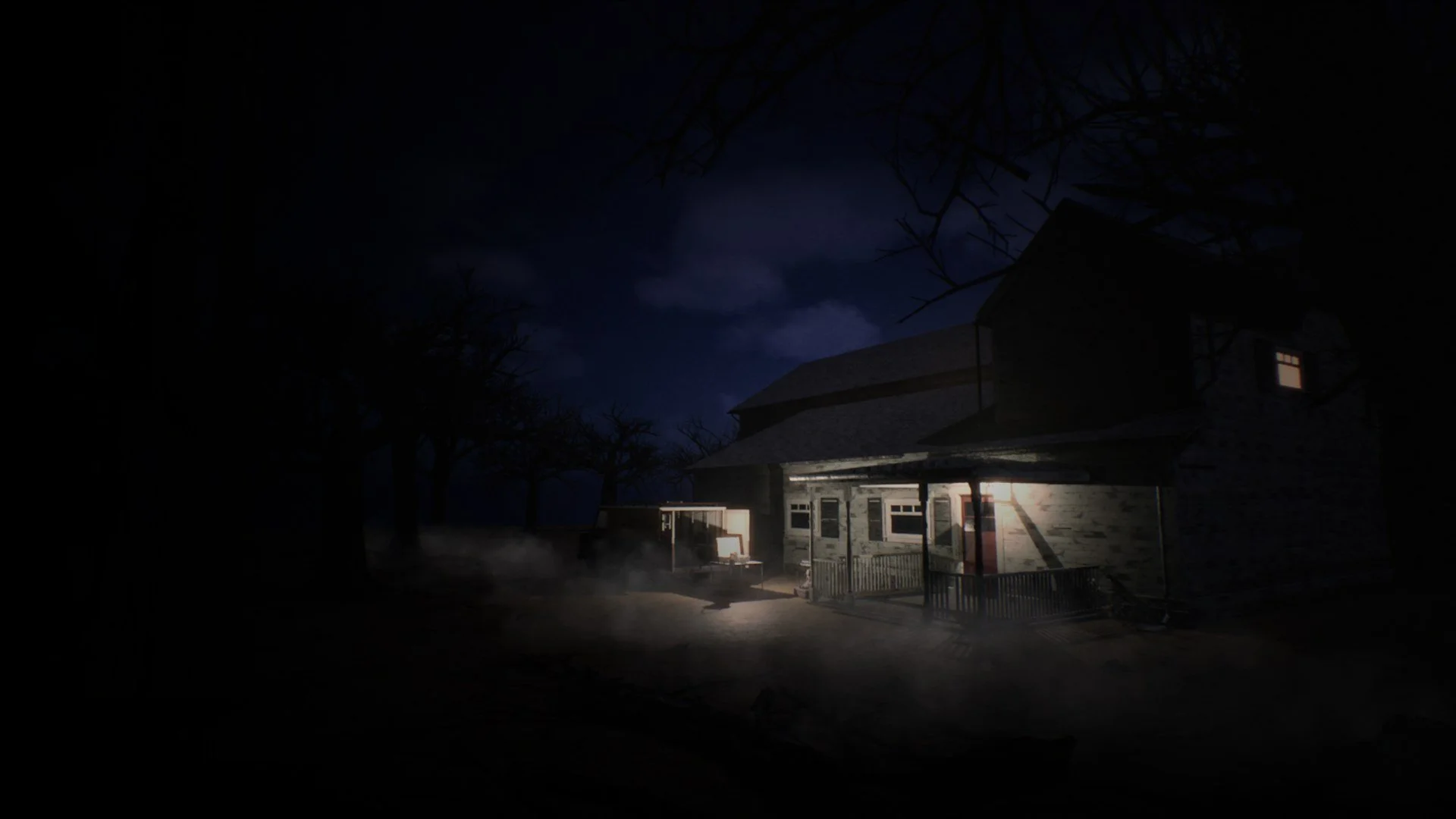
The fun
Most asymmetric horror gives the monster a body and the survivors a gun. I wanted a ghost with no body, whose only weapon is fear and whose only weakness is the moment it uses it. The whole game in one rule: the scare is the opening.
PLAYTEST 2 (4 PLAYERS): “THE SCARE IS WHAT SELLS.”
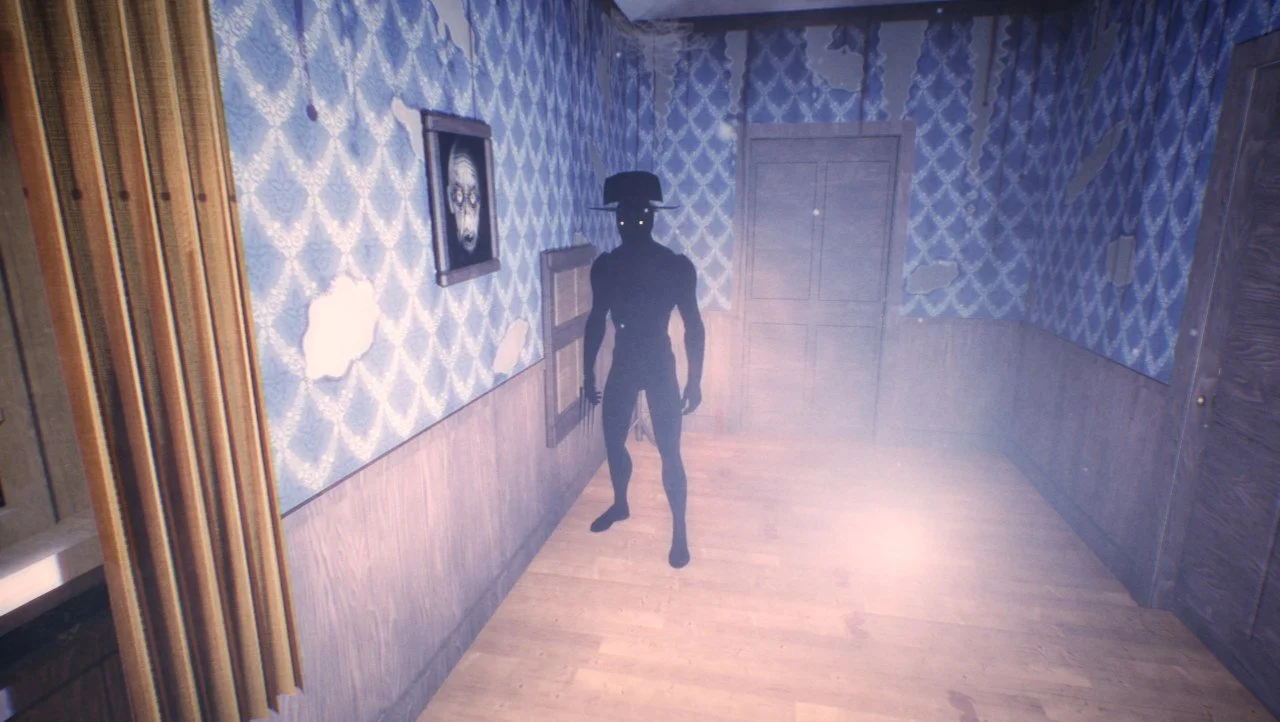
Decision: make stalking beat spam
Fear multiplies when the target is alone (×1.5), in the dark (×1.3) or already in dread (×1.5), and repeating a scare on the same target within 30 s halves it. The same four scares Break a lone investigator but only make a group Uneasy, so splitting up to search becomes the real risk.
D-05
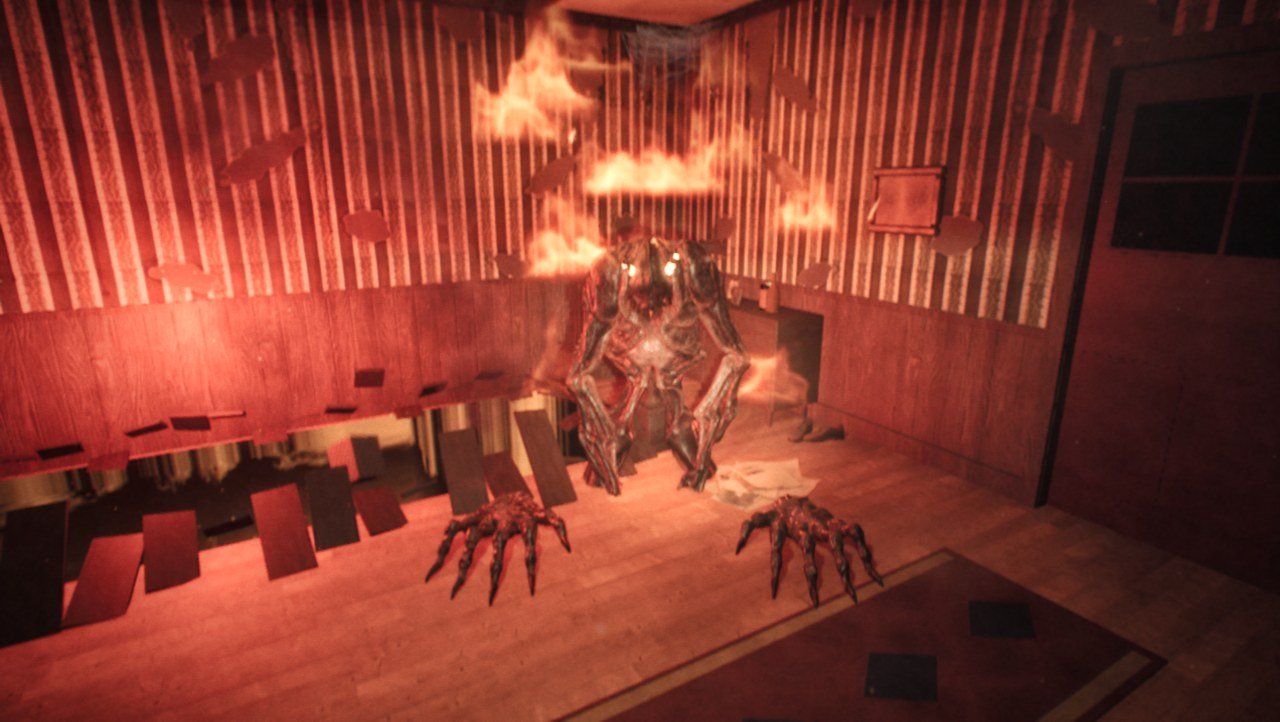
Decision: every action says what it did
My own playtest note: “It is still not clear if the scare trick worked.” The fix was a full feedback pass: outlines on possessable props, a post-scare report for the ghost, an energy refund for scares that land, and a red edge pulse for the person scared.
D-54
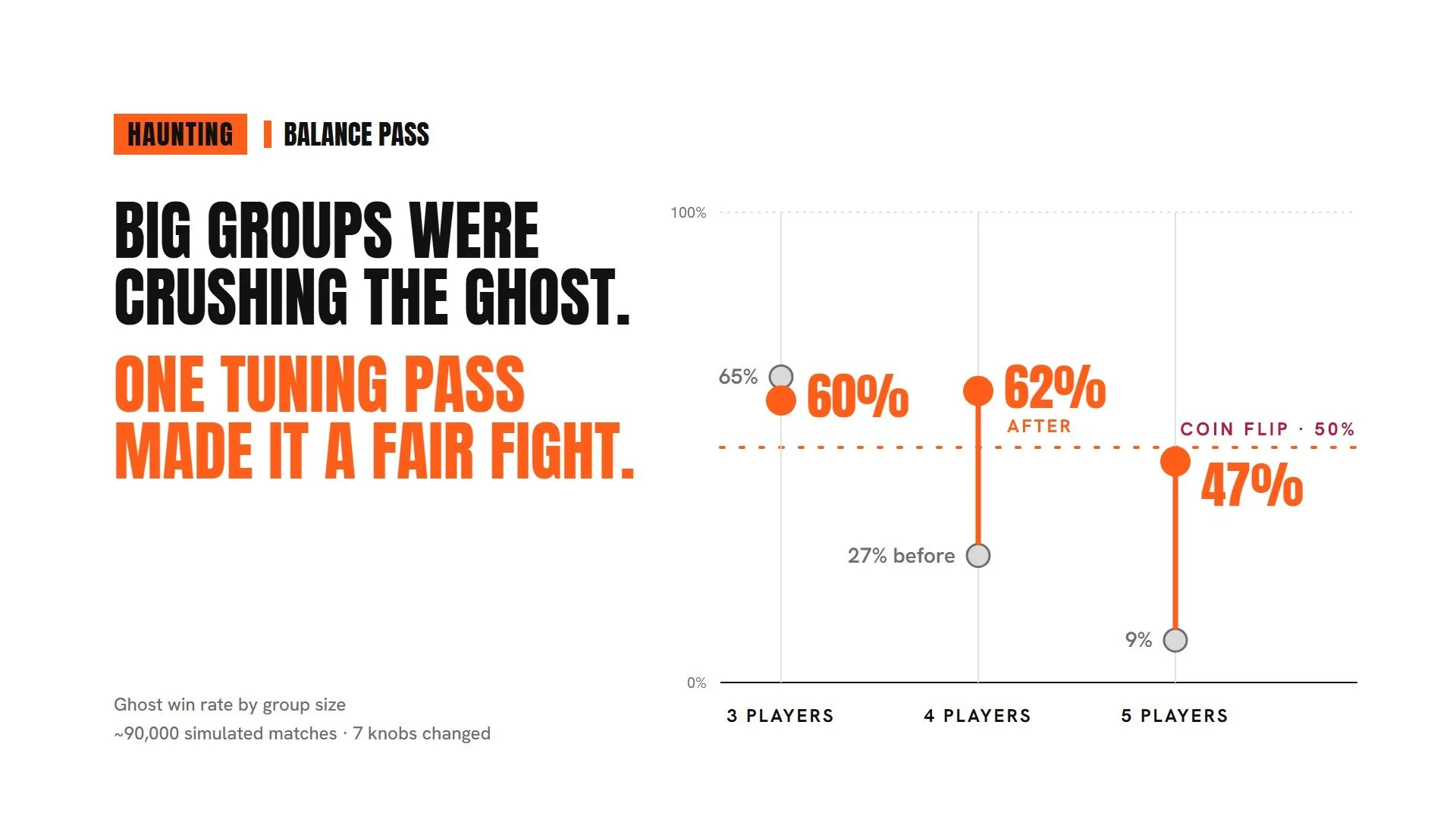
Proof: a 90,000-match balance pass
I had an AI-vs-AI Monte Carlo model of the full rule set built on the live tuning data and the real house. Baseline: the stalker ghost won 65% / 27% / 9% at 3 / 4 / 5 players. After one 7-knob pass: 60% / 62% / 47%, roughly a coin flip at every size. It also found what knobs can’t fix: a passive “turtle” ghost won on the clock, so that’s a rules change, not more tuning.
SYSTEMS · BALANCE · SIMULATION