Lead Systems Designer
Technical Design · Combat · Rapid Prototyping
I find the fun fast, then build the design house that keeps a whole team building toward it.
10+ years in games, designing combat, progression and live-service systems at Amazon Games and KIXEYE, most recently as Lead Designer and Acting Creative Director at Noctua Interactive. I build my own systems hands-on in Unreal Engine 5 Blueprint to prove an idea in days, then turn it into pillars, specs and a pitch a team and a greenlight committee can say yes to.
| Results, not adjectives
13% → 20%
D1 retention after my New User Experience redesign · War Commander: Rogue Assault (KIXEYE)
10 in 2 days
Playable pitch prototypes for a major enterprise client, every core loop paying off in under 10 seconds · Noctua Interactive
19% → 31%
D3 retention after my boss encounter and AI redesign · Storm Runners (Amazon Games)
2 of 2
Design interns I mentored on DreamWalkers, both hired full-time
| How I work
1. Build the design house
Before anything gets built I write the house rules: 3–4 pillars, the player fantasy, and the test every feature has to pass. If it doesn’t serve the pillars, it’s out of scope.
2. Find the fun
I get the core loop playable in days, not sprints, and put it in front of players. Their confusion is the brief. I change one thing at a time and keep every tuning value in data, never buried in a graph.
3. Prove it, then pitch it
Retention curves, balance simulations, frame budgets, a ten-second payoff on a stopwatch. I bring evidence to the greenlight meeting, not adjectives.
| Featured work
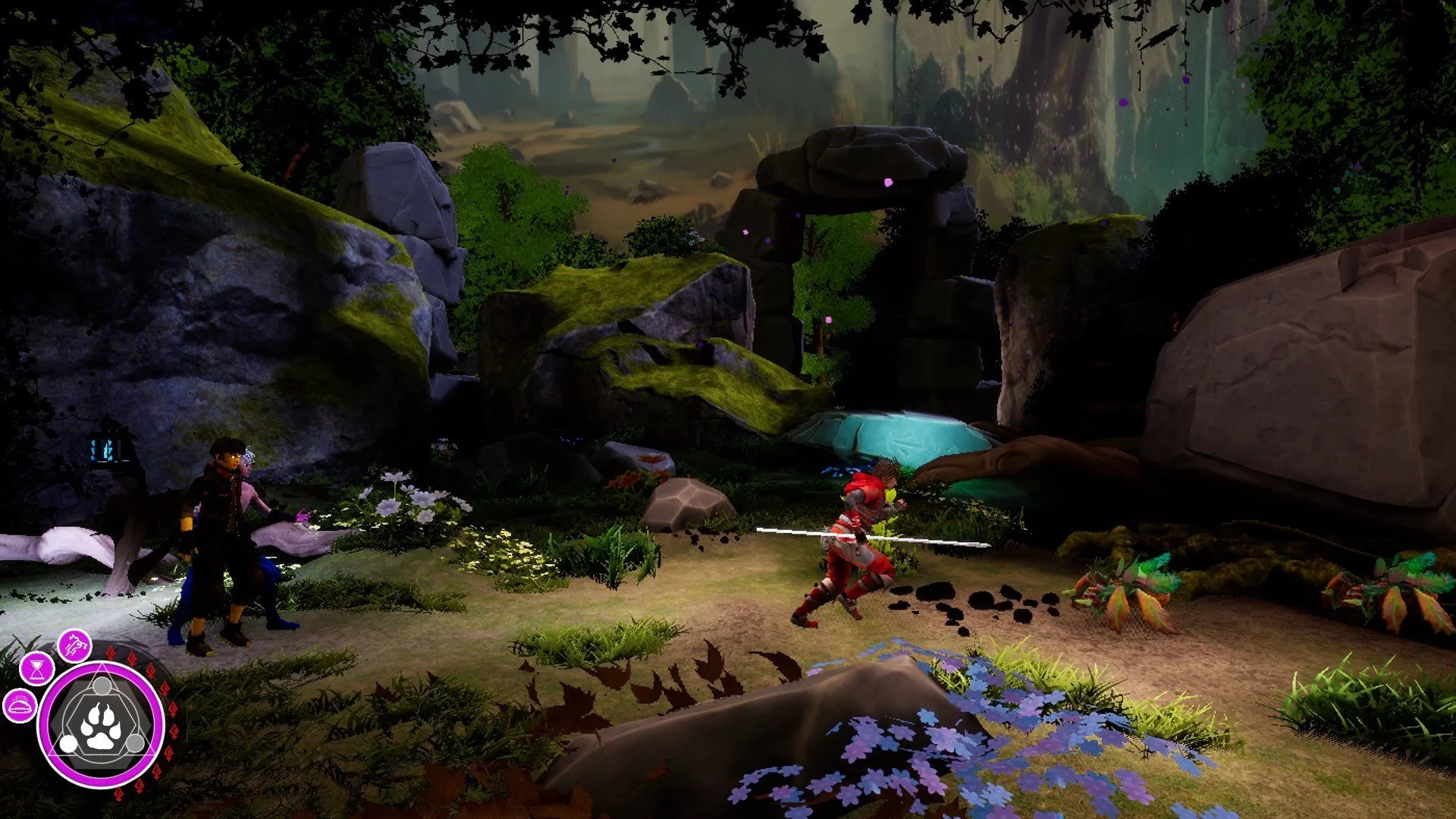
DreamWalkers
Noctua’s flagship: I owned all the design. Three asymmetric heroes, one combat system.
LEAD DESIGN · COMBAT · NOCTUA INTERACTIVE
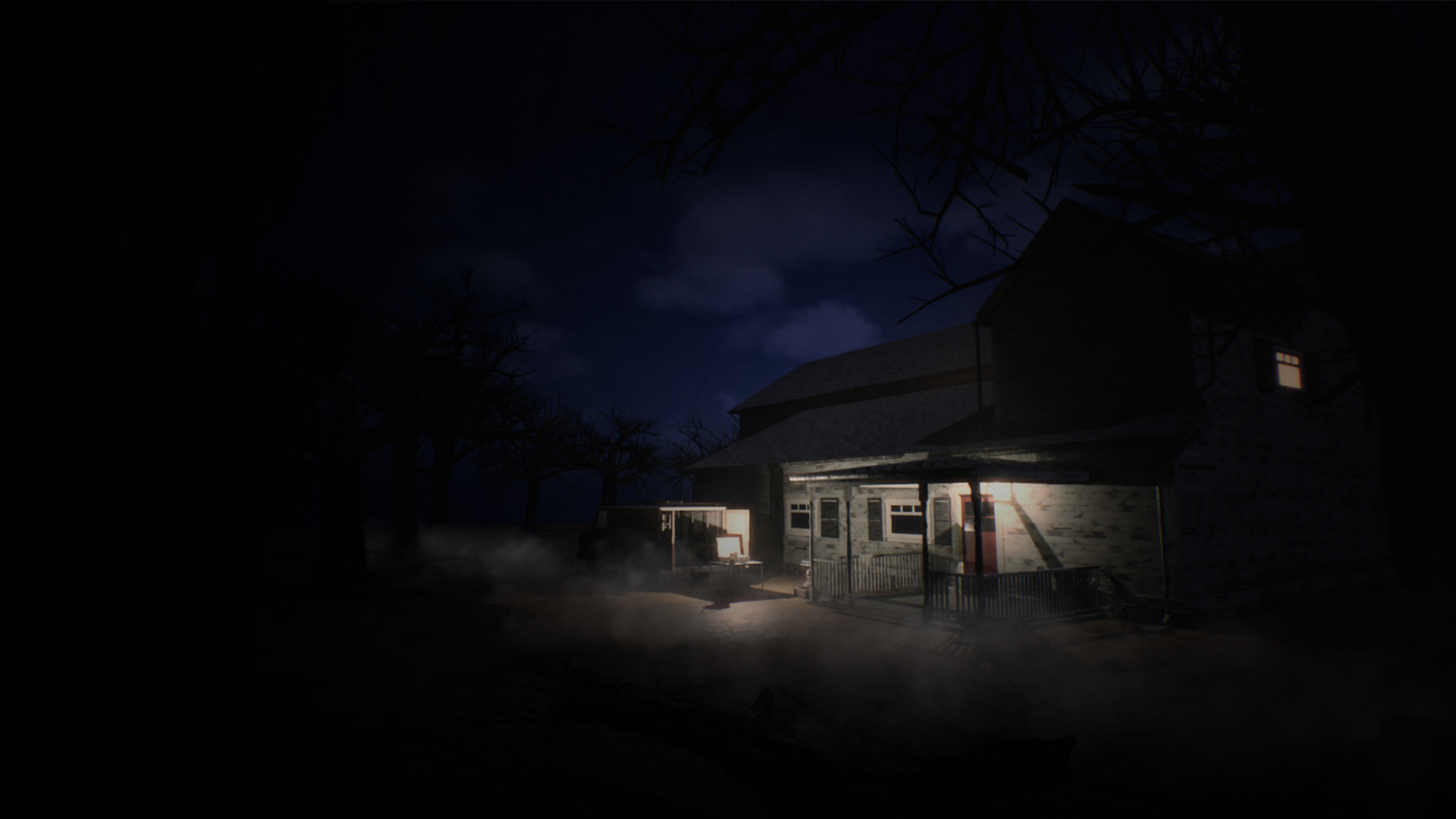
Haunting
1-vs-4 asymmetric horror where the ghost is only vulnerable while it’s scaring you. Balanced with a ~90,000-match simulation: from 65/27/9% ghost wins to roughly a coin flip at every group size.
SYSTEMS · MULTIPLAYER · BALANCE · SOLO PROJECT
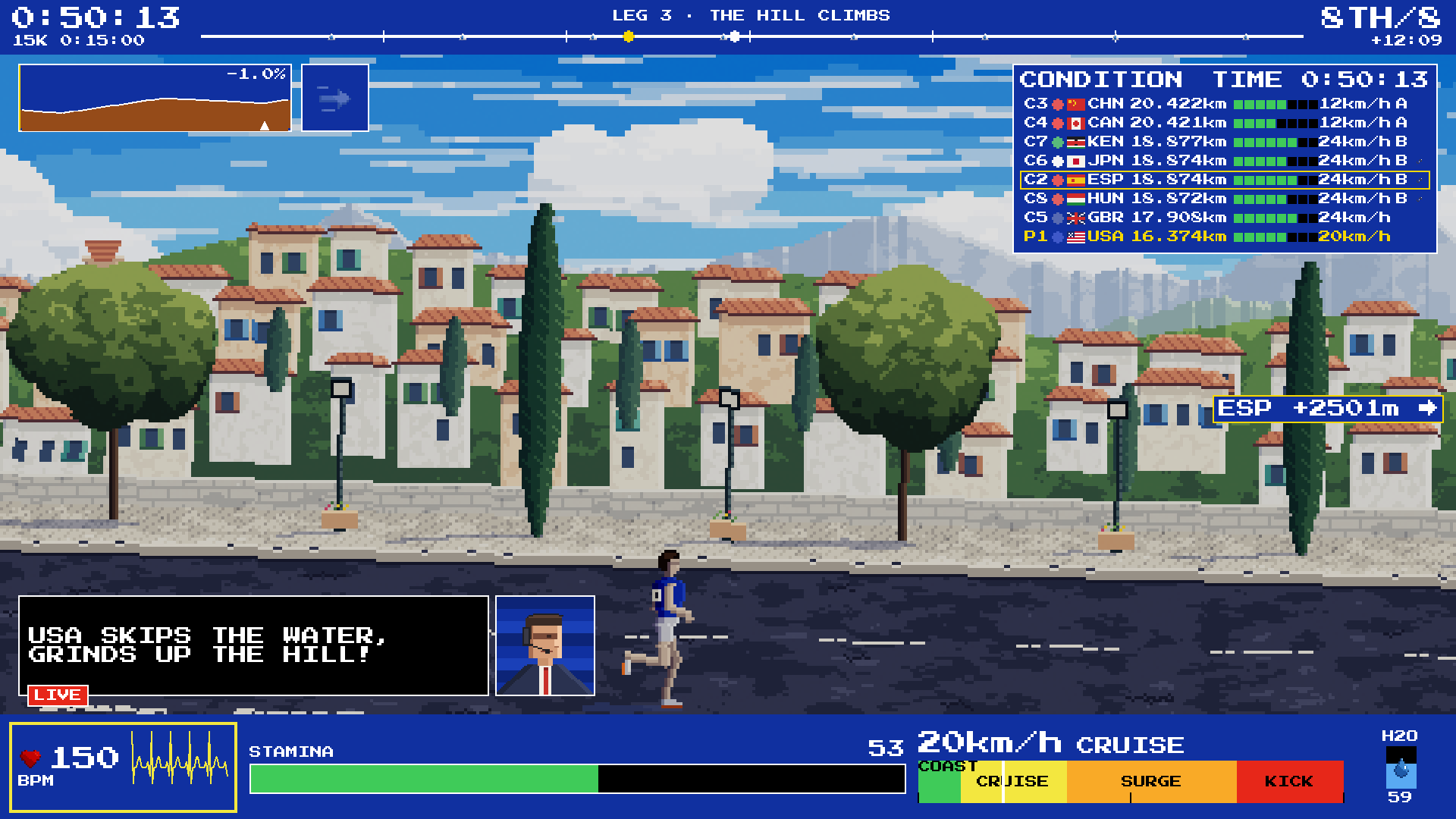
The 42K
A 1992 button-masher rebuilt as a strategy sim: you manage a body over 42.195 km. A deterministic race model, AI-vs-AI difficulty sweeps, and a live LLM race announcer with guardrails.
SYSTEMS · SIMULATION · AI · SOLO PROJECT
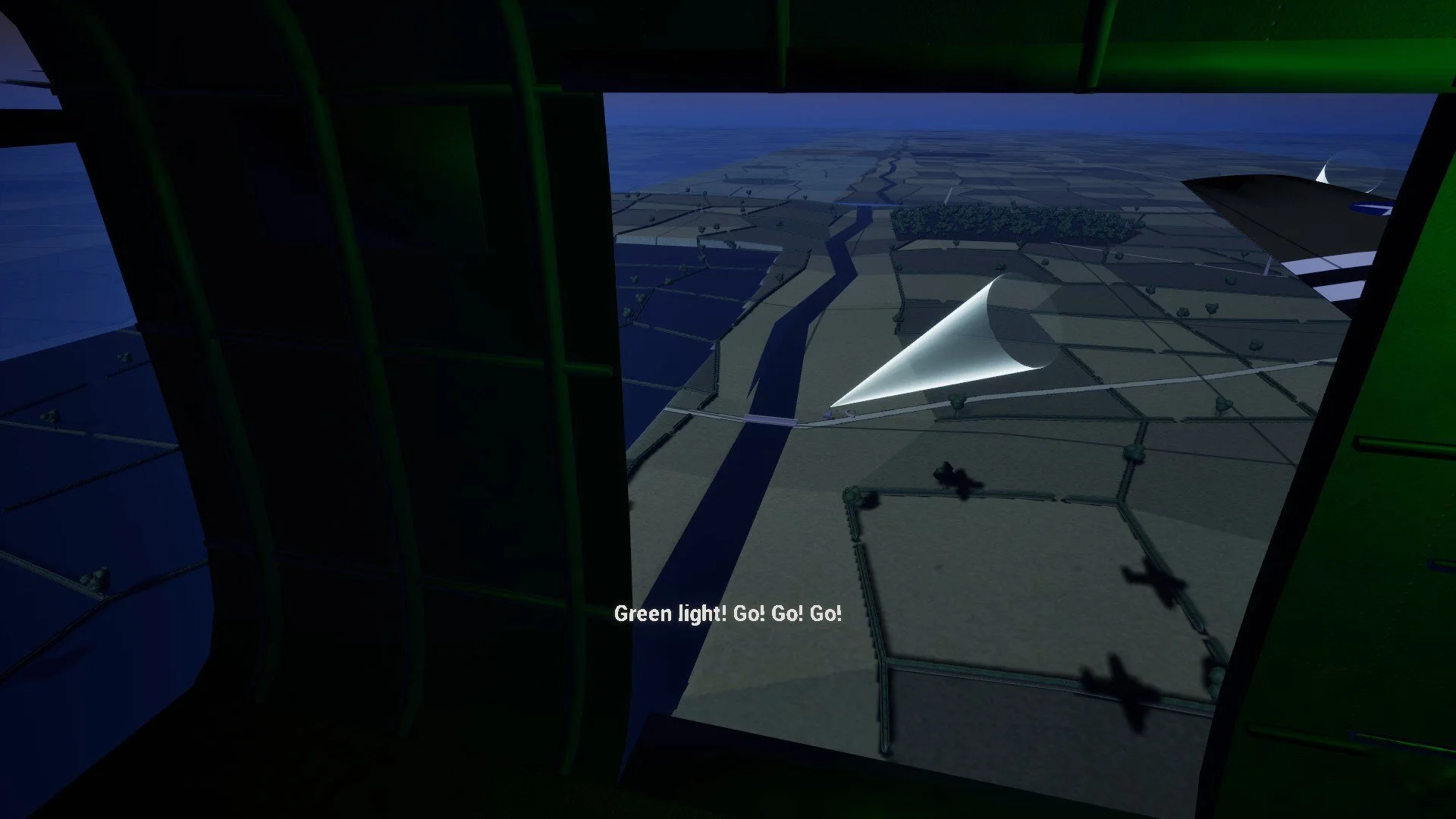
Airbourne (VR)
WWII night-drop VR on Quest 2. No HUD: a paper map, a compass and a jumpmaster. Enemies that hear you, search for you and flank you, and every flank is shouted so you can counter it.
COMBAT AI · VR · SOLO PROJECT